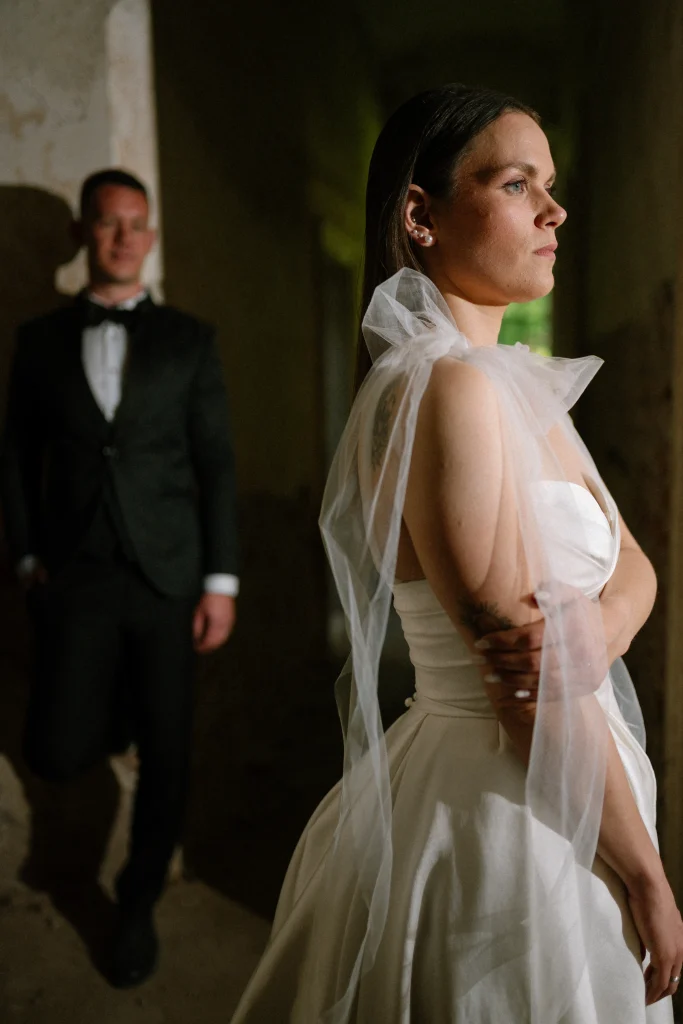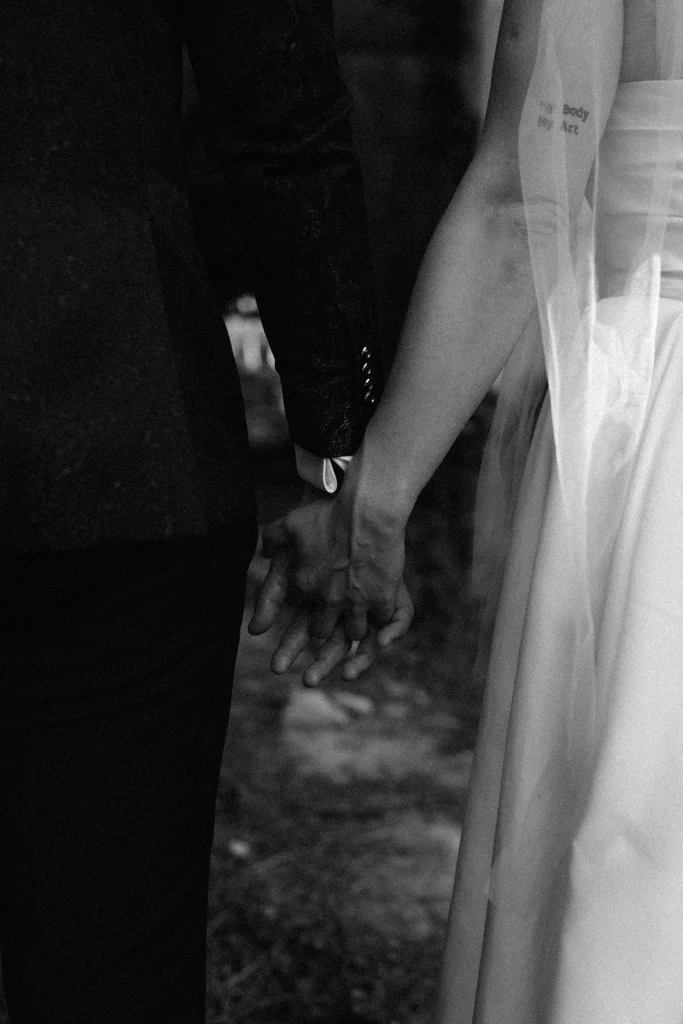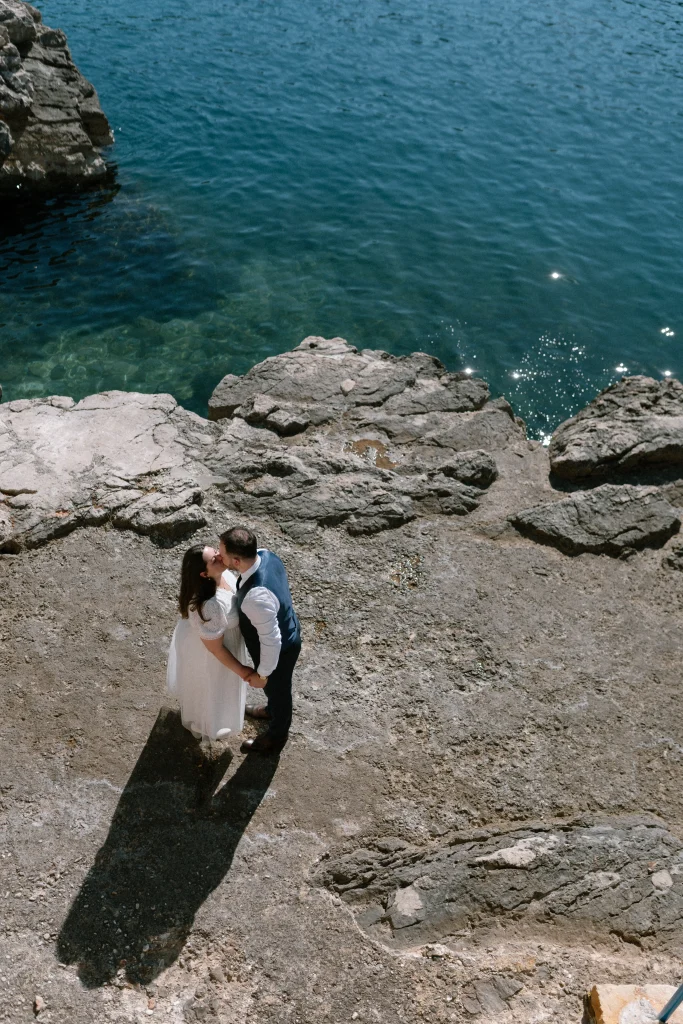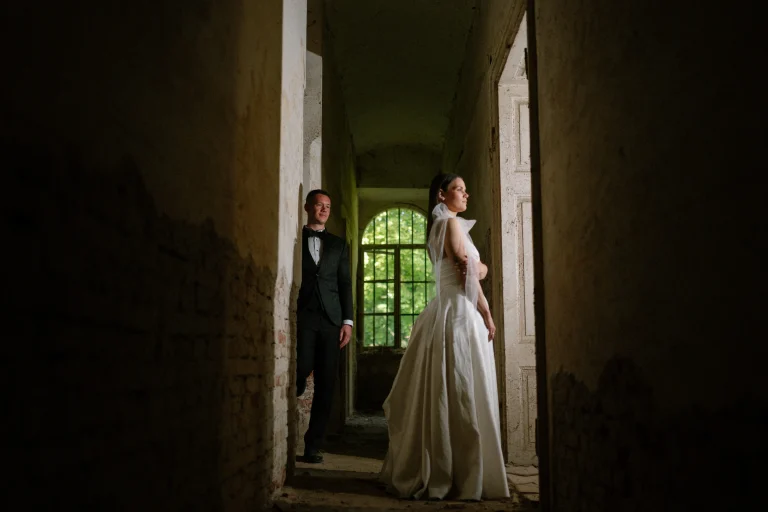
An intimate wedding is not a smaller version of a traditional one.
Discover how to plan a celebration with up to 50 guests that feels relaxed, emotional, and entirely your own.
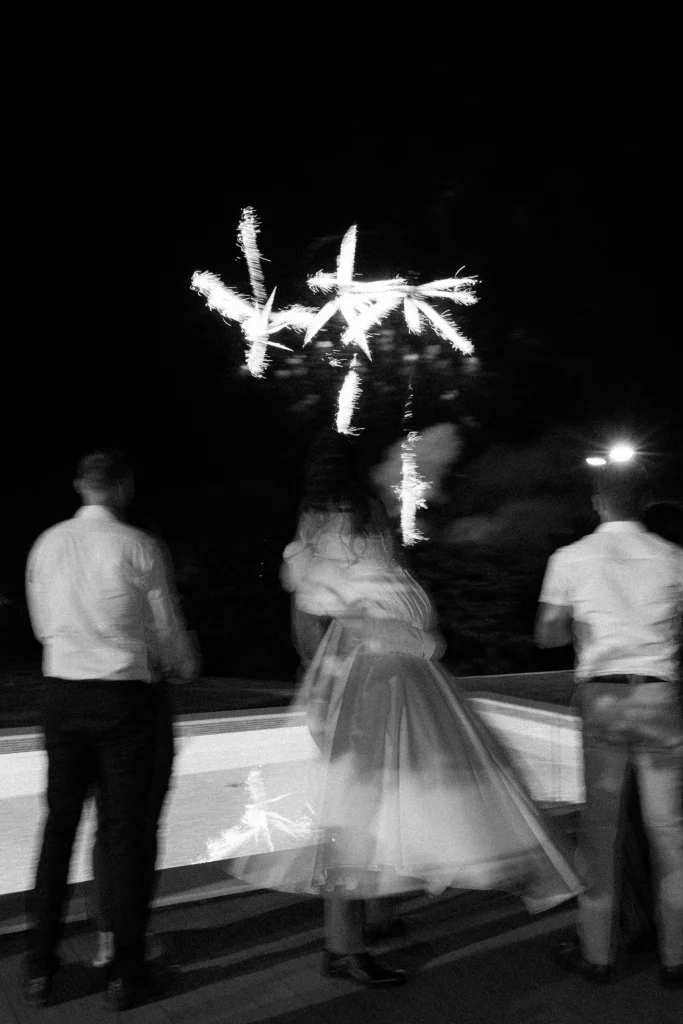
An intimate wedding is not a trend. It’s a decision.
A decision to let the day look less like what’s expected — and more like what it feels like.
To surround yourself with people you can breathe freely with.
To dance without overthinking.
To be fully, honestly yourself.
In my experience, an intimate wedding usually means up to 50 guests.
Not because that number is magical, but because within that frame, the most important thing tends to happen naturally — closeness.
After years of photographing weddings like these, I’ve seen what truly works.
And I’ve seen how, despite the best intentions, some intimate weddings slowly turn into a smaller version of a traditional one — where couples once again try to please everyone.
Below are five honest tips to help your intimate wedding stay exactly that — intimate.
No pressure. No unnecessary formality.
Just space for emotions you’ll remember for the rest of your life.
Define What “Intimate” Means to You
One of the most common misconceptions when planning an intimate wedding is thinking it’s all about the number of guests. As if fewer people automatically creates closeness.
In reality, intimacy has very little to do with numbers — and everything to do with the energy of the people around you.
I often see couples start with the idea of a small wedding, only to slowly add guests so no one feels left out. Step by step, compromise by compromise.
The result is a wedding that’s small on paper, but emotionally exhausting.
That’s when it usually happens:
the couple is physically present, but mentally somewhere else — constantly managing, hosting, accommodating.
That’s why it’s so important to pause early on and ask yourself, honestly:
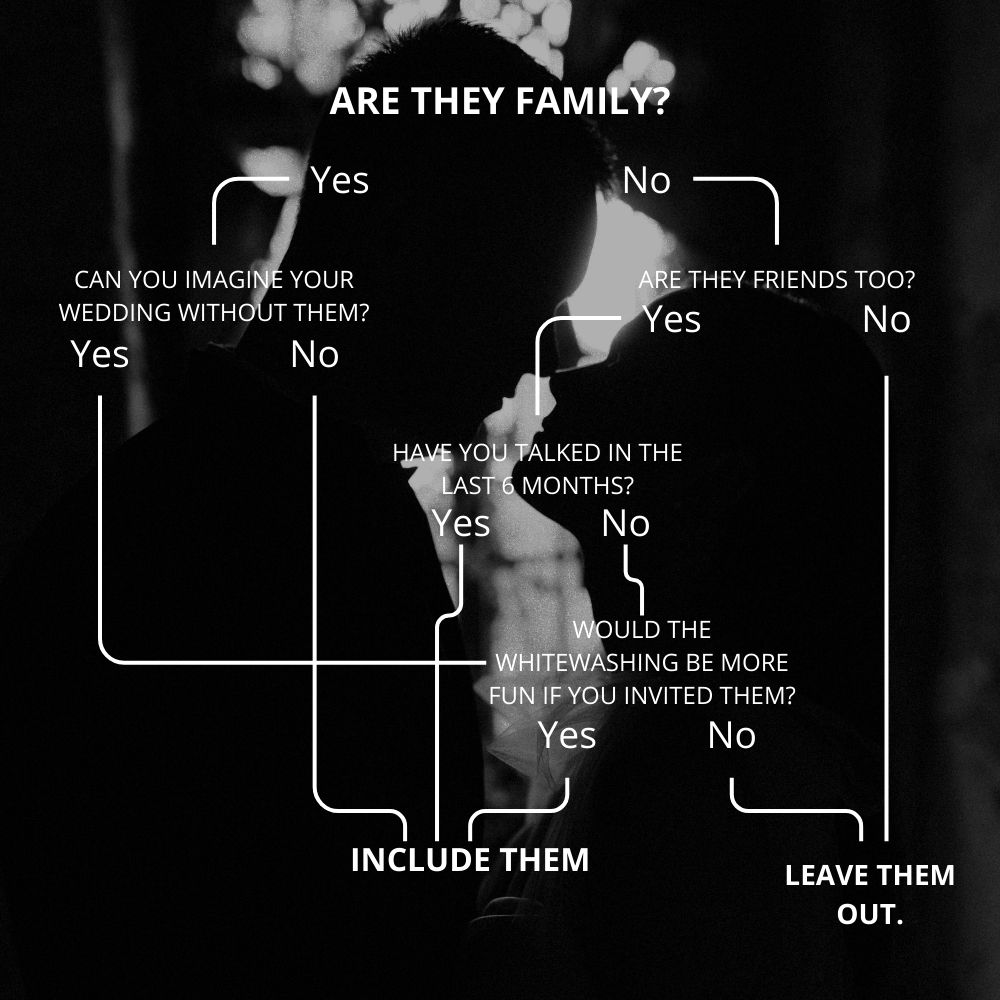
There’s a simple way of thinking that often helps couples make these decisions without guilt — not as a rule, but as a filter.
A way to keep your guest list aligned with how you want to feel on your wedding day.
Because an intimate wedding isn’t a smaller version of a big one.
It’s a conscious choice to value depth of connection over quantity.
Choose a Location That Supports Closeness
At intimate weddings, the space plays a much bigger role than it might seem at first.
Not because it needs to be unusual or impressive, but because it directly shapes how you and your guests will feel.
One mistake I see often is couples choosing a space that’s simply too small —
trying to maintain intimacy, but ending up with crowded tables, no room to dance, and an atmosphere that feels tense rather than relaxed.
An intimate wedding doesn’t mean sacrificing space.
Quite the opposite — fewer people in a space that breathes almost always feels better than many people squeezed together.
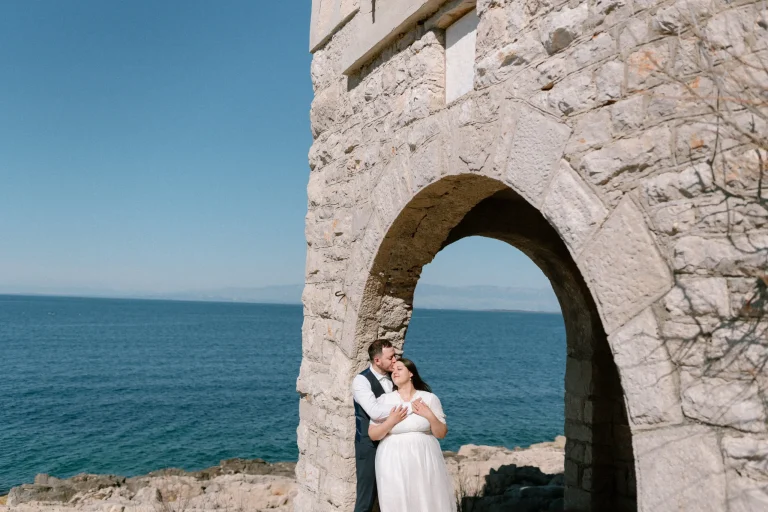
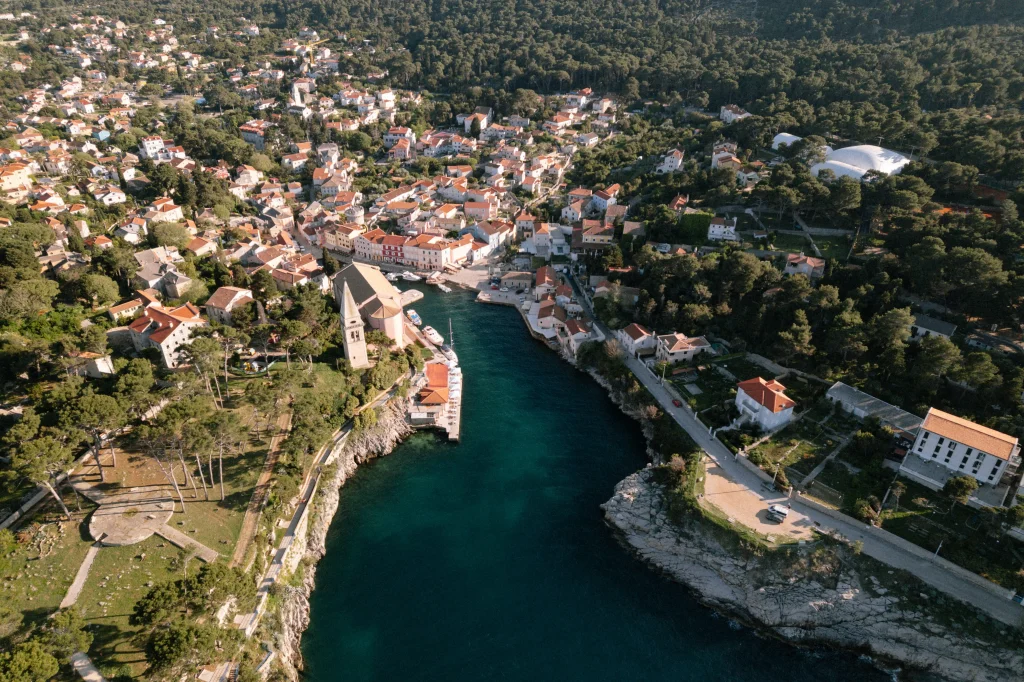
That space might be a smaller wedding venue, a restaurant with a private room, an estate, or a house with a garden — a place that naturally invites conversation and lingering moments.
If you’re planning ahead, it makes sense to secure your location 12 months or earlier, as it sets the foundation for the entire day.
Venues that have proven to work beautifully for intimate weddings include, for example:
ISLAND HOTEL ISTRA – ROVINJ, WINEY CONER – BJELOVAR, PARK OF DESIRE – SAMOBOR
There’s really only one question that matters:
Will people want to stay here — or will they be counting the minutes until they leave?
When the space feels right, everything else flows more easily — the dancing, the conversations, that quiet sense that no one is in a hurry.
Invest in the Experience, Not the Formalities
With intimate weddings, one thing becomes clear very quickly — you don’t need everything.
You only need what makes the day feel comfortable, relaxed, and truly yours.
That’s why it helps to think of planning as designing an experience, not checking off a list of things you’re “supposed” to have.
The order in which you make decisions matters more than most people realize.
From experience, this sequence tends to bring the most calm:
a year or more before the wedding
Start with the venue, the photographer, and the music. The venue sets the atmosphere, the photographer helps shape light, timing, and flow, while the band defines the emotional rhythm of the day.
9–6 months before
When it comes to florals and the wedding dress, both should reflect your own sense of beauty rather than follow trends. Floral studios such as STUDIO PROPLANAK should work with the space, allowing it to breathe instead of overpowering it, while wedding dresses from WEDDING DRESSES “SANJA D” often feel most timeless when they are chosen for comfort, movement, and how they make you feel — not just how they look.
6–4 months before
Around this time, styling takes its final shape — from the suit and jewelry to getting a sense of wedding rings pricing through studios like KLETUS. It’s also a good moment to consider whether the venue could benefit from additional lighting, with services such as BAZINGA helping create a softer, more intimate atmosphere.
3–1 month before
This is when the smaller details gently come together — seating arrangements, personal touches, and any guest surprises you might be planning. If transportation is part of your day, this is also the moment to arrange a rent-a-car through services such as BEX LIMOS.
It’s a good time to check in with everyone you’ve booked so far and make sure all final details are aligned. That said, most vendors will naturally reach out again a few weeks before the wedding to confirm everything — allowing you to step into the day feeling calm, prepared, and present.
When it comes to intimate weddings, less truly is more.
Instead of spending energy on details no one will remember, it’s far more meaningful to invest in more time together, better food, music people actually dance to, and moments that aren’t planned down to the minute.
Because what you’ll remember isn’t how perfectly everything was styled —
it’s how you felt.
Give Your Guests a Role, Not Just a Seat
One of the greatest advantages of an intimate wedding is that you don’t have to carry everything yourself.
And you shouldn’t.
Most of us are lucky enough to have family and friends who are there for a reason.
Instead of trying to control every detail on the day, it’s far wiser — and more beautiful — to delegate.
Someone keeps an eye on the timeline.
Someone cues the band.
Someone welcomes guests.
Someone handles small details that don’t need your attention in that moment.
About a month before the wedding, it helps to clearly define who is responsible for what.
A small amount of planning that makes an enormous difference on the day itself.
And one more important thing — phones.
Not because phones are bad, but because they constantly pull you back into an organizational role.
If you can, try to go through the day without them. Someone else can answer calls.
That’s when you’ll finally be able to fully experience every moment.
(Selfie? Of course 😊)
Choose a Team That Understands Your Story
With intimate weddings, the team you choose becomes an extension of your energy.
Your photographer, musicians, planner — they all need to understand not only what you want, but also what you don’t want.
The people you work with should know when to step back, when to slow things down, and when to let moments unfold naturally.
One example that almost always works beautifully is a first look.
Even when couples say they don’t want getting-ready photos, emotion still needs a place to exist.
If not before — then during the ceremony. If before — then quietly, without an audience, without pressure.
When approached with understanding instead of obligation, those emotions surface naturally.
And those are the moments that stay — moments you’ll later relive through photographs.
An intimate wedding requires a team that knows how to listen.
Because when you feel understood, you can relax.
And that’s when the most important thing happens —
a wedding you’ll truly remember.